
After leaving Carvoiero’s Intermarché Jill navigated us back to the A22, the main east-west motorway in the Algarve, and we made short work of the remaining drive to Tavira.
Once in Tavira we threaded the narrow streets to find our hotel, the Pousada Convento, only to find that the car park was behind a gate. No problem… We were now professionals at this part of the process. I pulled into an open residents-only parking space and we quickly got the lady at the front desk to open the gate so that we could stash our car in the car park for the duration of the trip.
The Pousada Convento, as the name implies, is an old convent that has been made into an amazing hotel. A thing that I forgot to mention about our hotel in Évora, the Ablergaria do Calvário, is that it was also convent-adjacent in that it was a re-purposed olive oil production facility for the Convent of Santa Helena next door – now the diocesan administrative offices of the Catholic Church. Based on our limited data points, it appears the Catholic Church has either re-purposed decommissioned convent buildings – as it did in Évora, sold the structures to private enterprise – as in the case of our Tavira hotel, or conveyed them to the state or municipality to make museums out of them. The Pestana group appears to have made a hospitality niche for itself by buying up defunct convents all over Portugal and converting them into hotels.
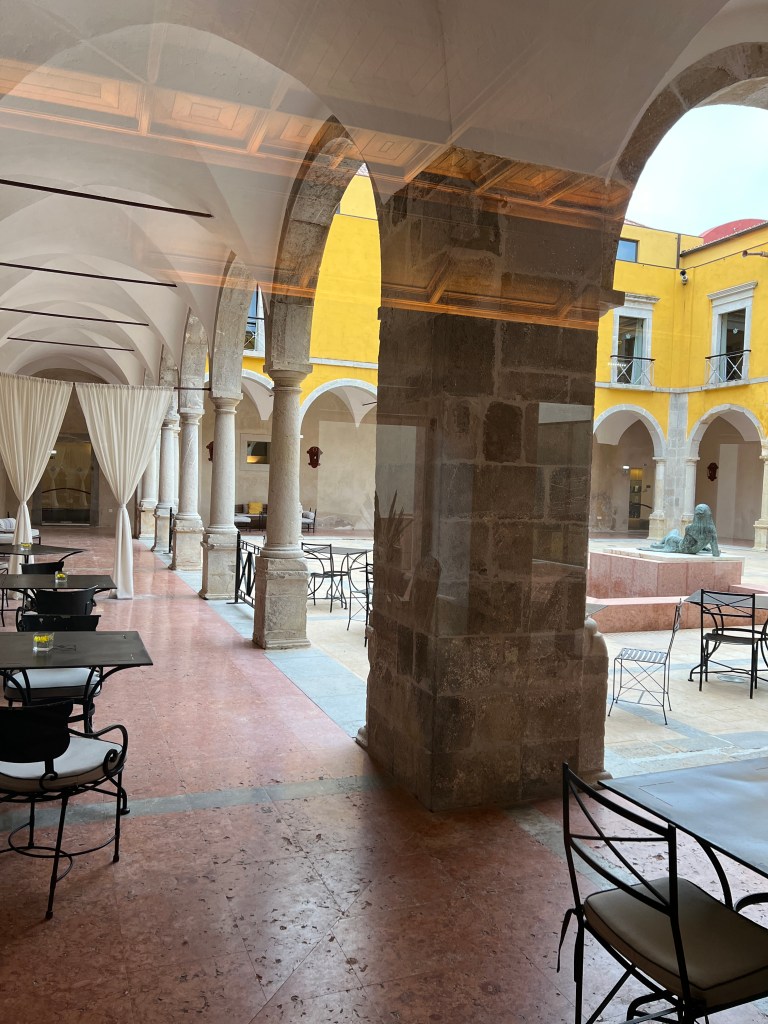
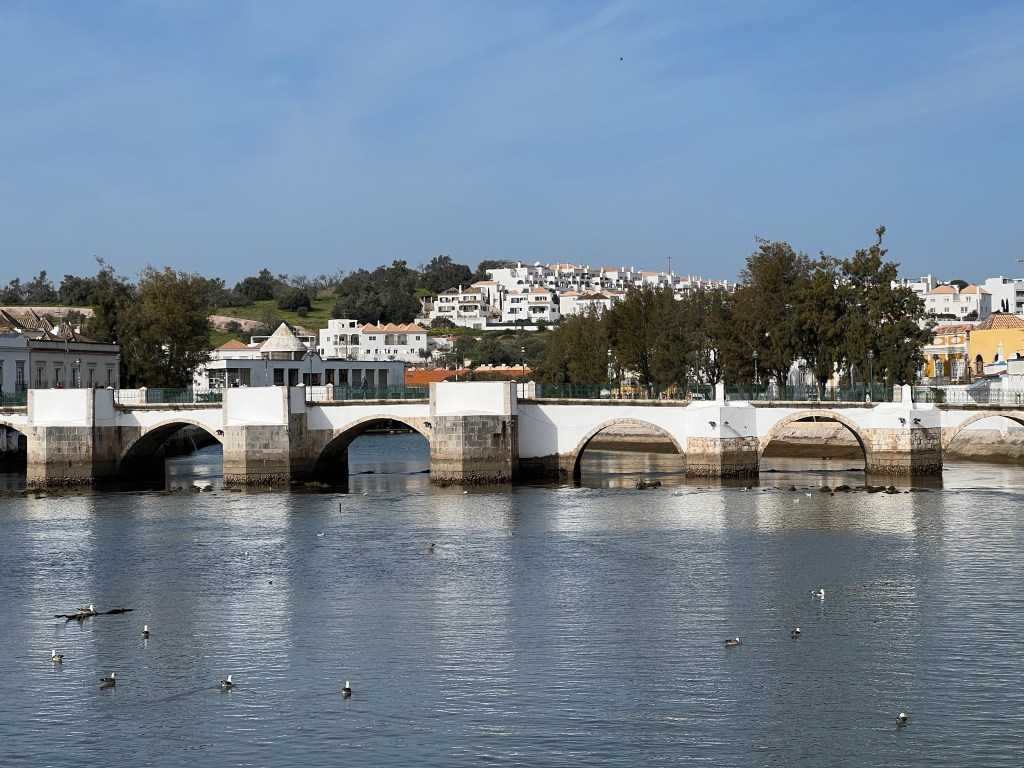
Our room wasn’t ready yet, so we stashed our bags with the front desk and set off on foot to explore Tavira. Tavira is in the Algarve, but, unlike the other major towns in the Algarve, it doesn’t directly front the ocean. Tavira sits a kilometer or so upstream of the ocean on the Gilão River and its main square is on the west side of a picturesque bridge over the river. Not knowing where to go, but hungry for lunch, we just walked in the direction of the main square hoping to find a cafe where we could grab a bite to eat while we waited for checkin.
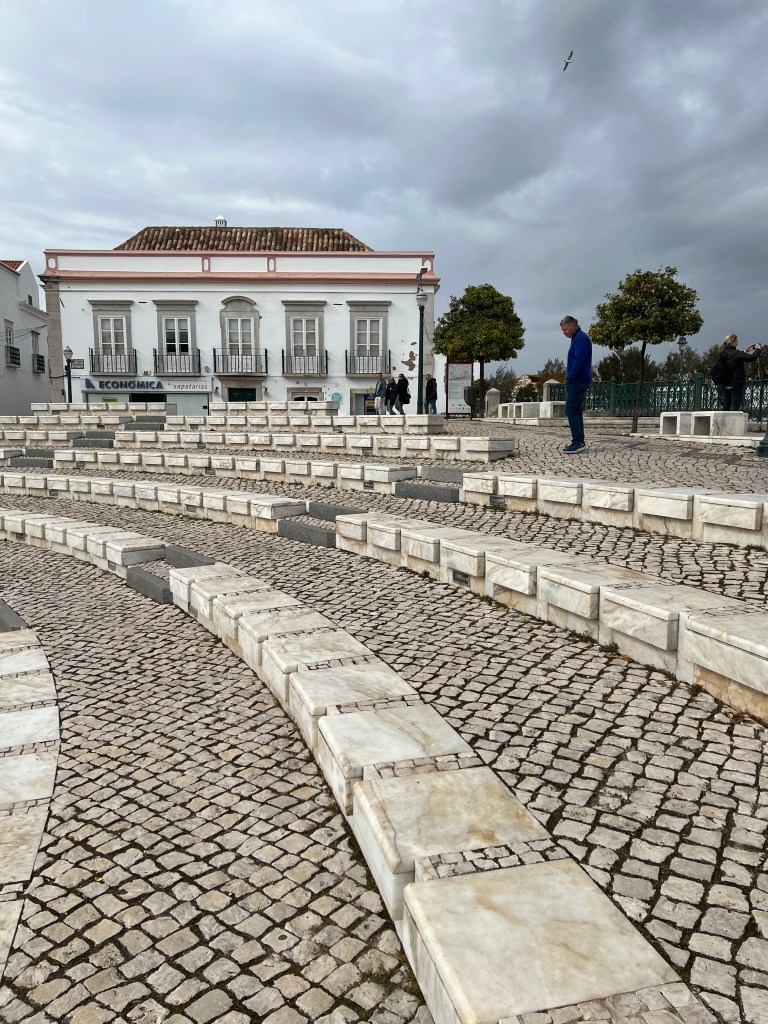
Every main square in every town in Portugal seems to have at least one cafe and Tavira was no exception. There were three cafes on Tavira’s riverfront square and we just picked the one that had available seating. Sitting down at that cafe was a watershed moment, because it’s where we discovered “toasties”. The couple at the table next to us was receiving their food as we sat down and they had a toastie to share. We didn’t know what it was at the time, but we scanned the menu until we found it. Sublime is not a word I toss around lightly, but toasties are sublime. Most cafes have a “tosta quiejo” (a grilled cheese on rustic bread) and a “tosta mista” (literally a “mixed toast” with cheese and shaved ham on the same rustic bread). When I make a sandwich at home, I tend to go heavy on the ingredients between the two pieces of bread. Toasties use thicker slices of bread and go lighter on the bits between the bread. I’m fairly sure that the crispy crunch of every delicious bite is due to a generous amount of butter that goes onto the outsides of the bread in preparation for the toasting process. At any rate, we ticked another “Could we live in Portugal?” box at that first lunch in Tavira when we ordered our first toastie to share (we started off basic with a cheese toastie). Toasties are the perfect comfort food. They are good for any meal and have become our go-to for mid-morning “second breakfasts”.
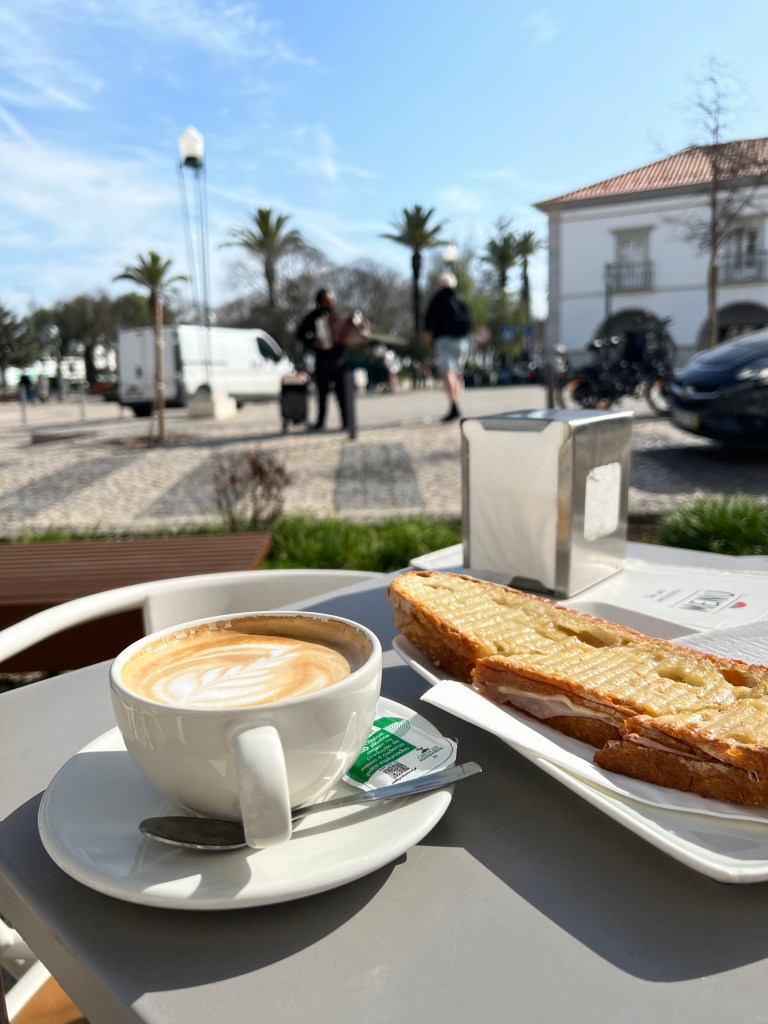
Not wanting to mess with perfection, we had several more interludes at that same cafe with the exact same order during our time in Tavira.
By the time we’d finished our light lunch it was time to head back to the hotel to check in. The person at the desk retrieved our luggage and showed us to our room. One of the things about Portugal is that hotel rooms are inexpensive by American standards. Here are some pictures of our two-story hotel room at the hotel in Tavira:
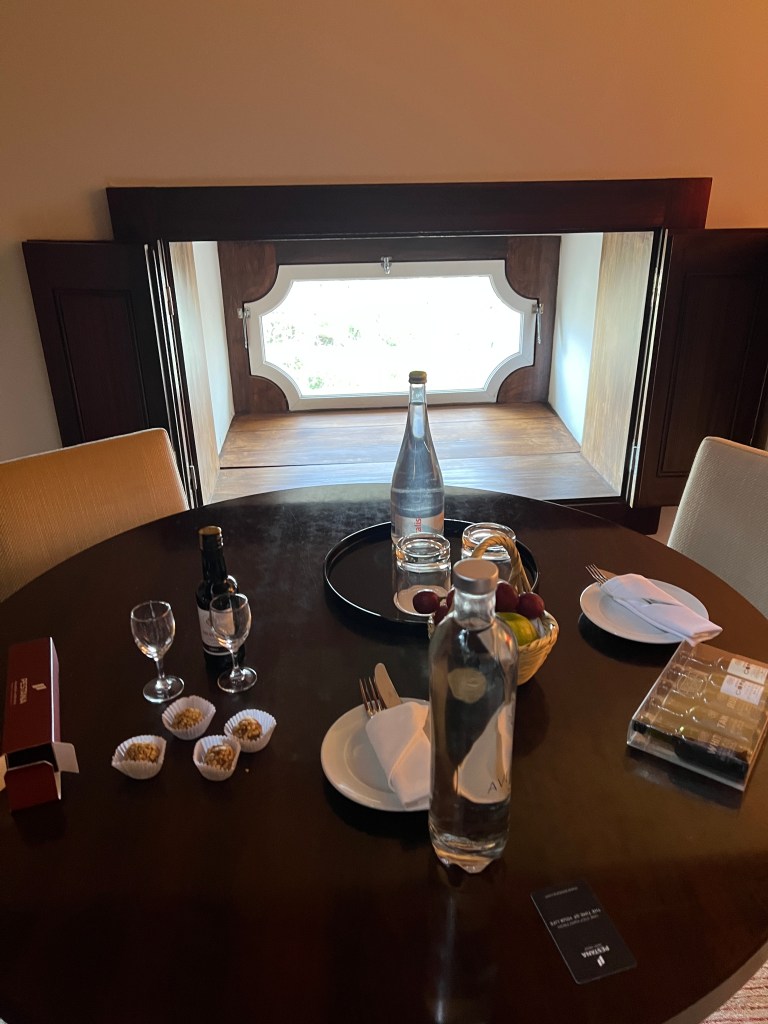
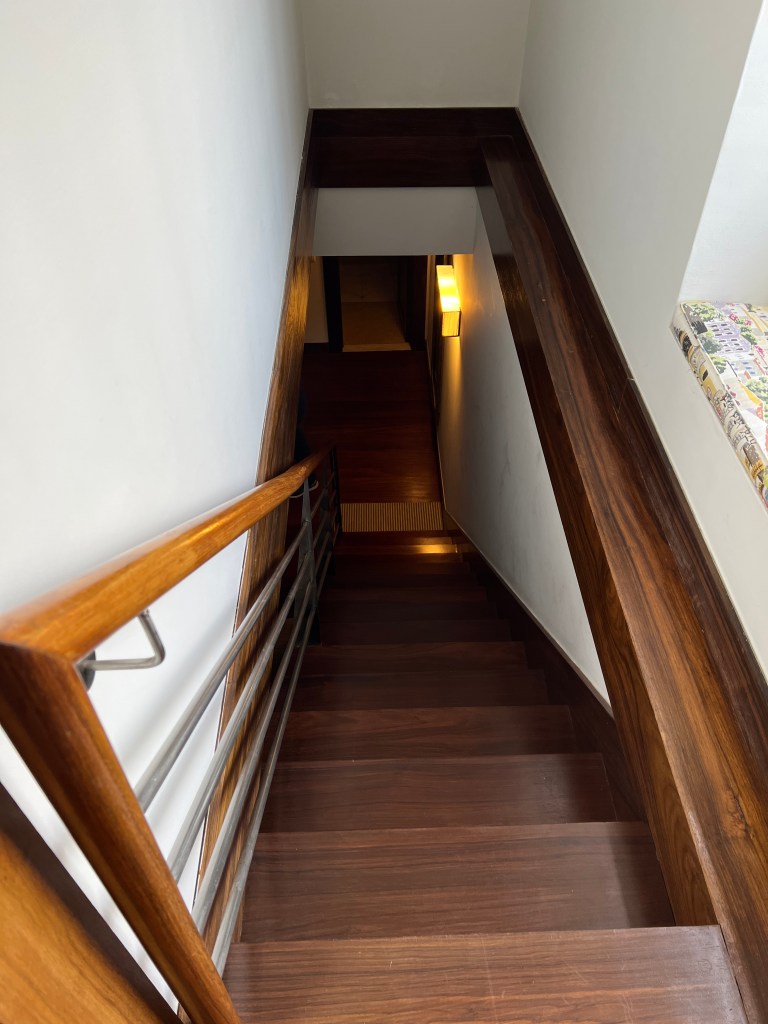
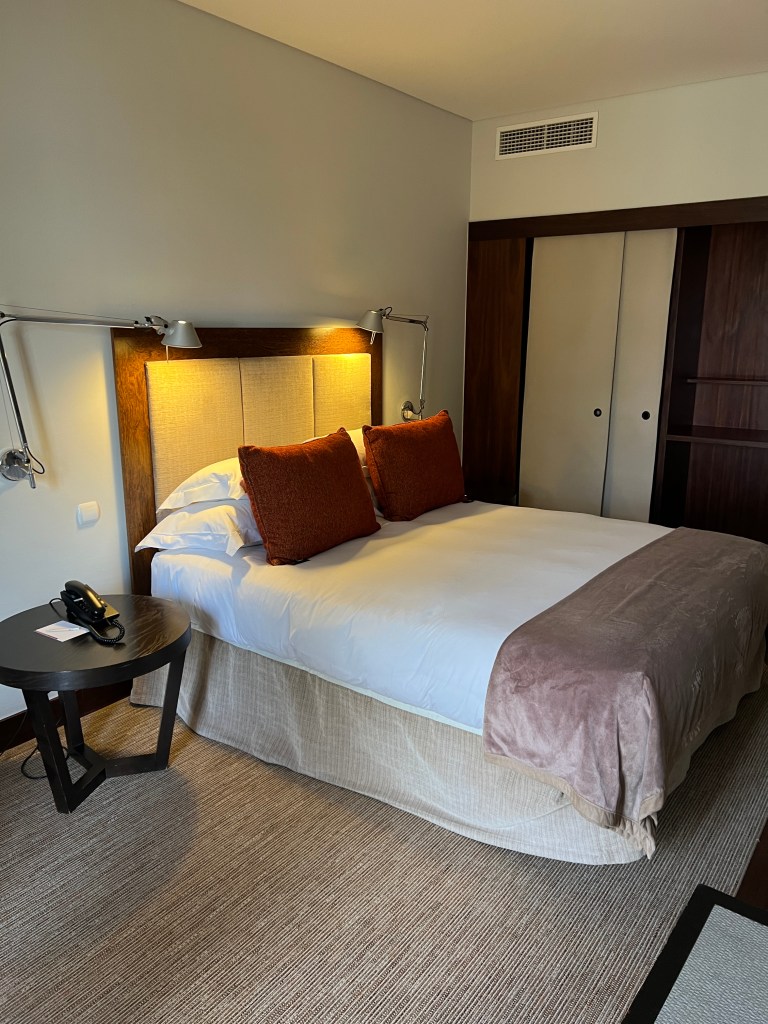
Not sure what the other rooms in the convent hotel looked like, but we were plenty happy with this one. And it was no more expensive than a Hyatt Place or equivalent in the US. We will definitely be trying out more of the Pestana group’s hotels as we explore Portugal.
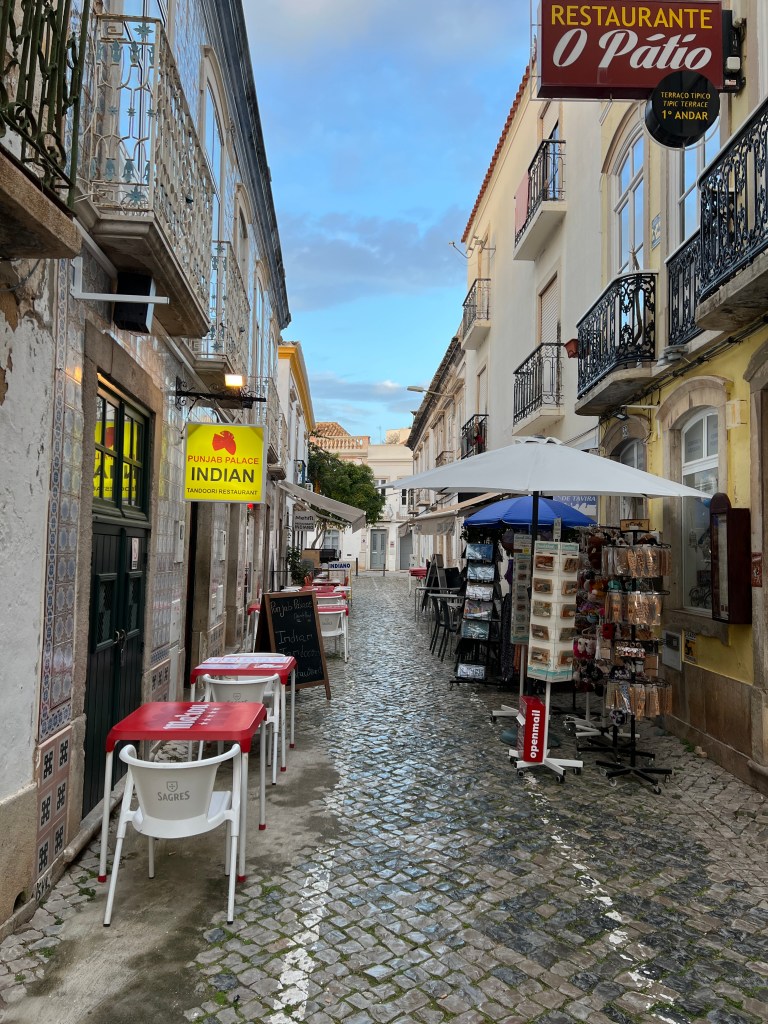
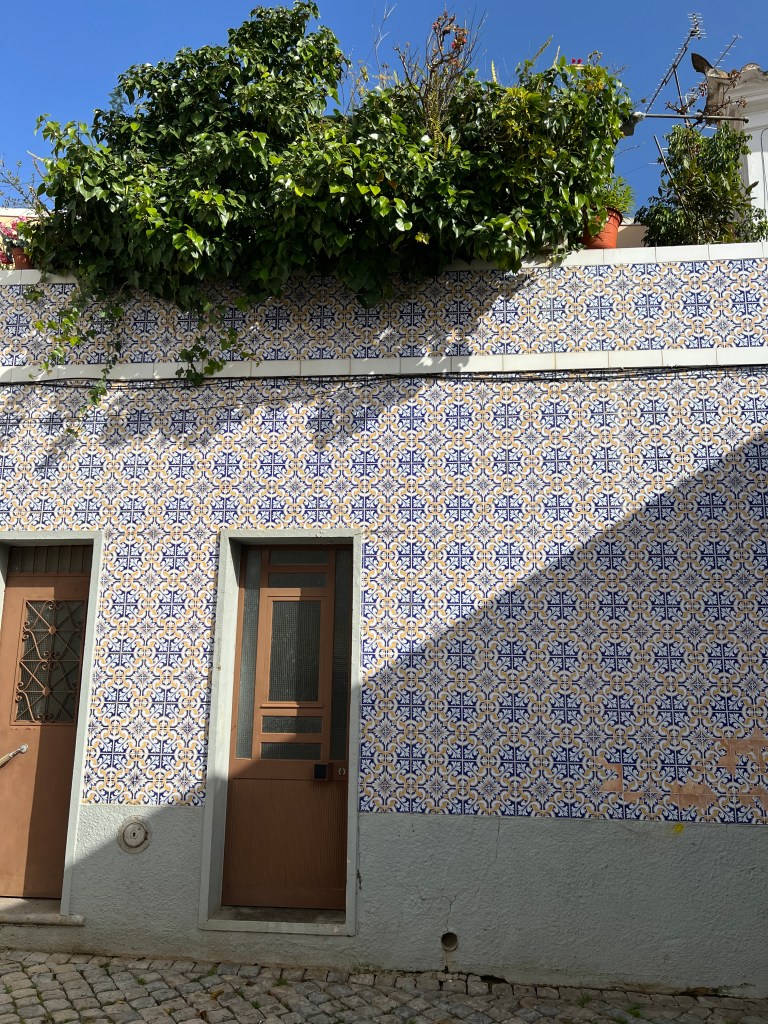
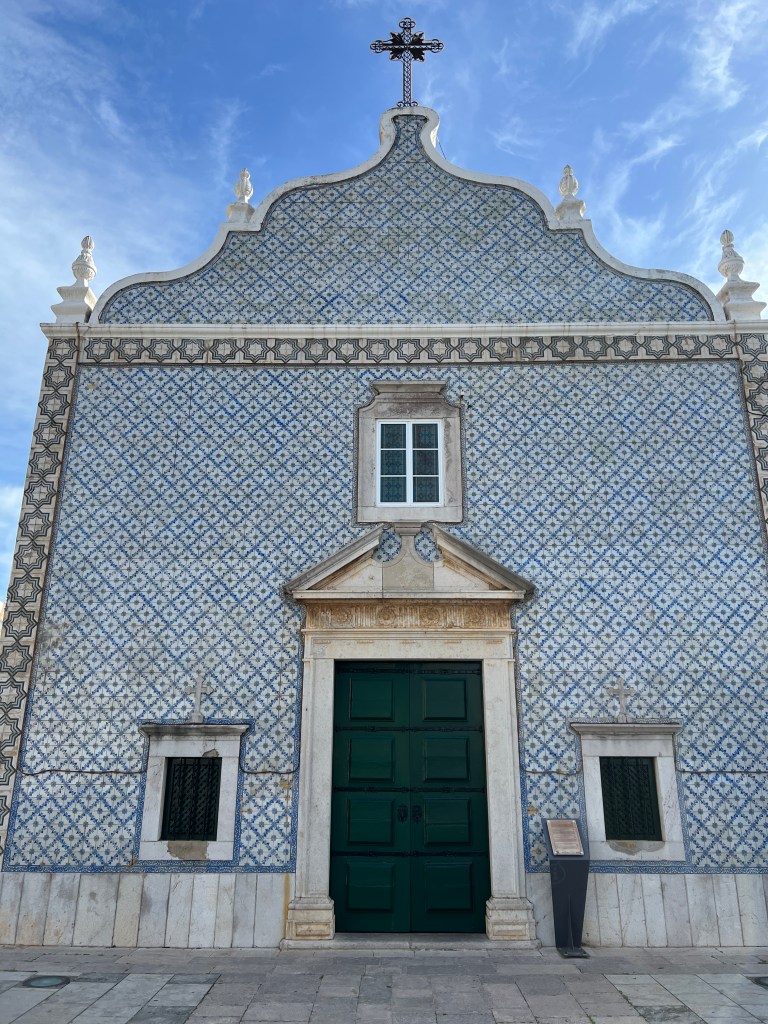
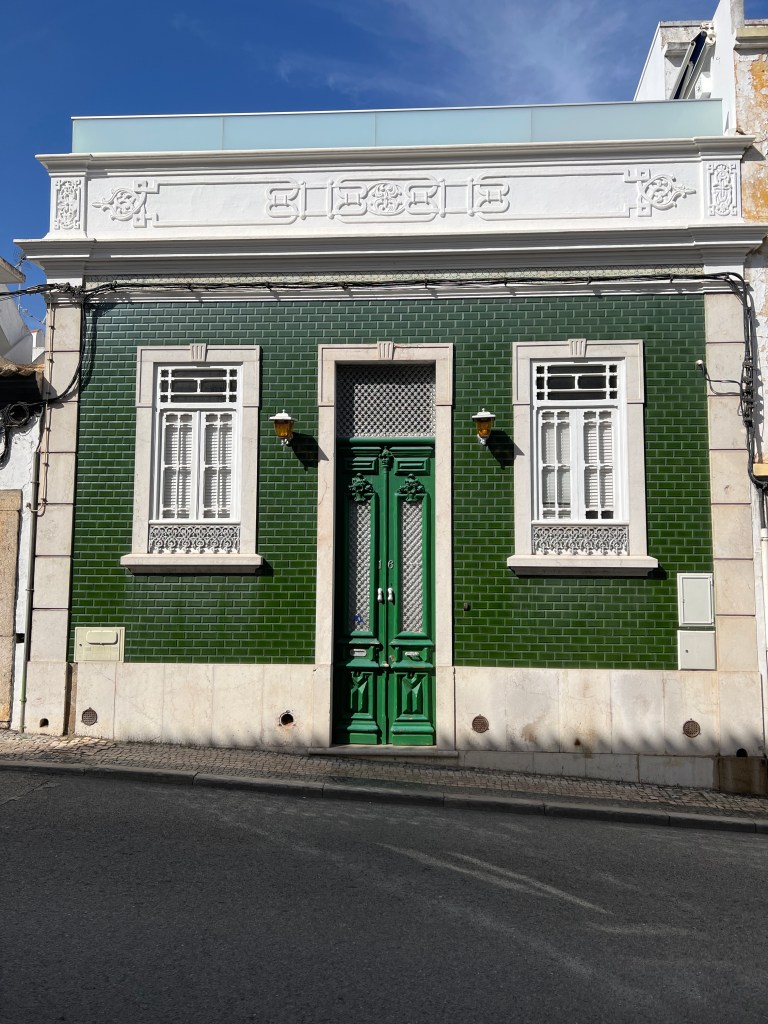
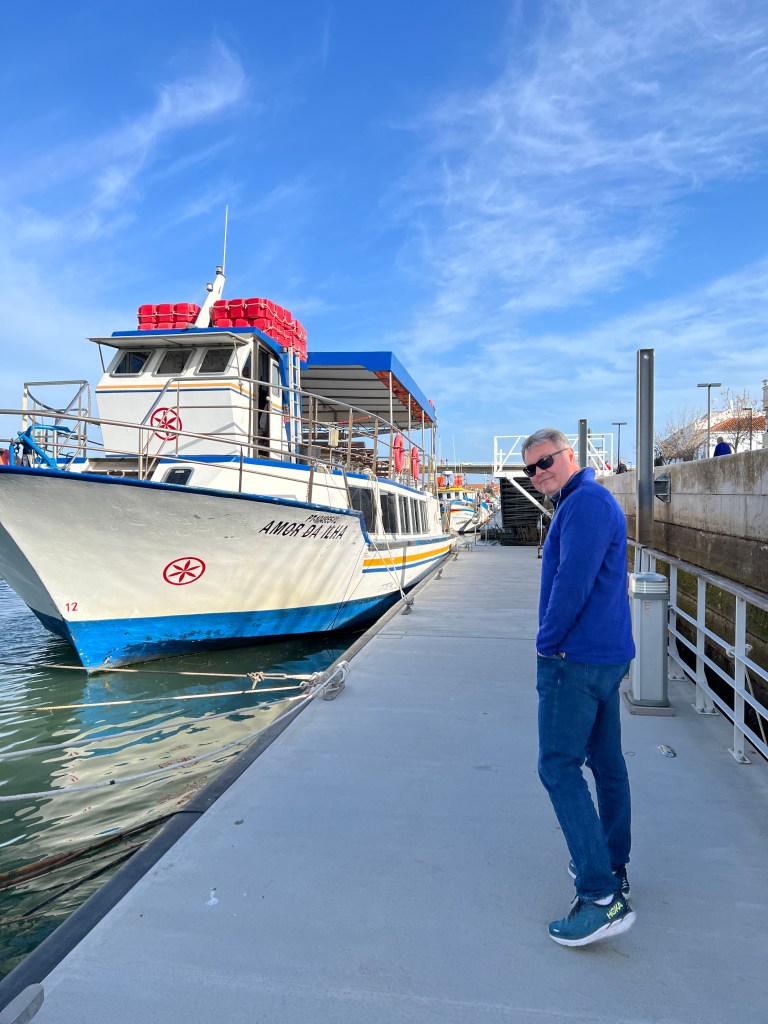
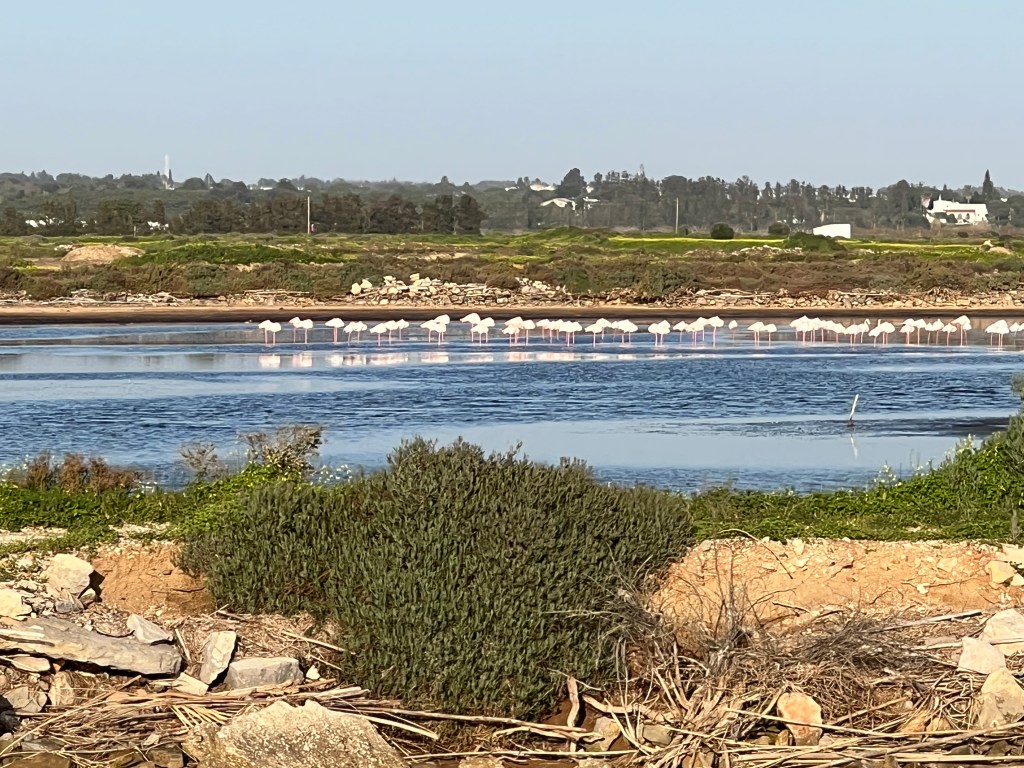
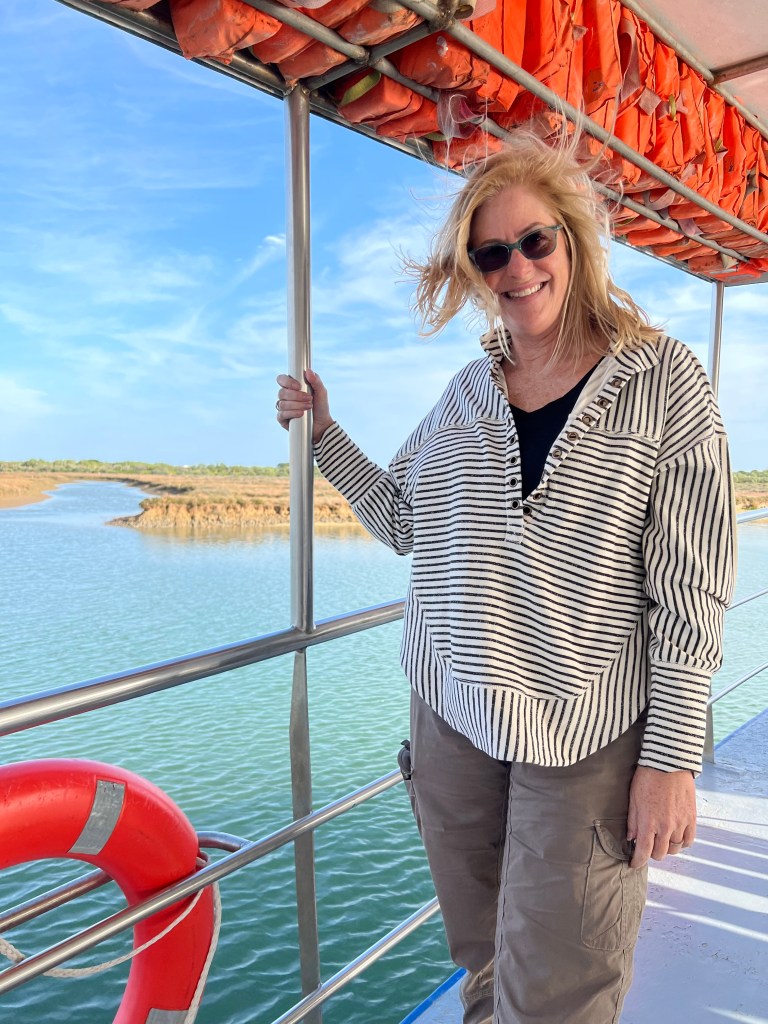
We spent the next day wandering around Tavira and taking the ferry out to the beach on the barrier island…

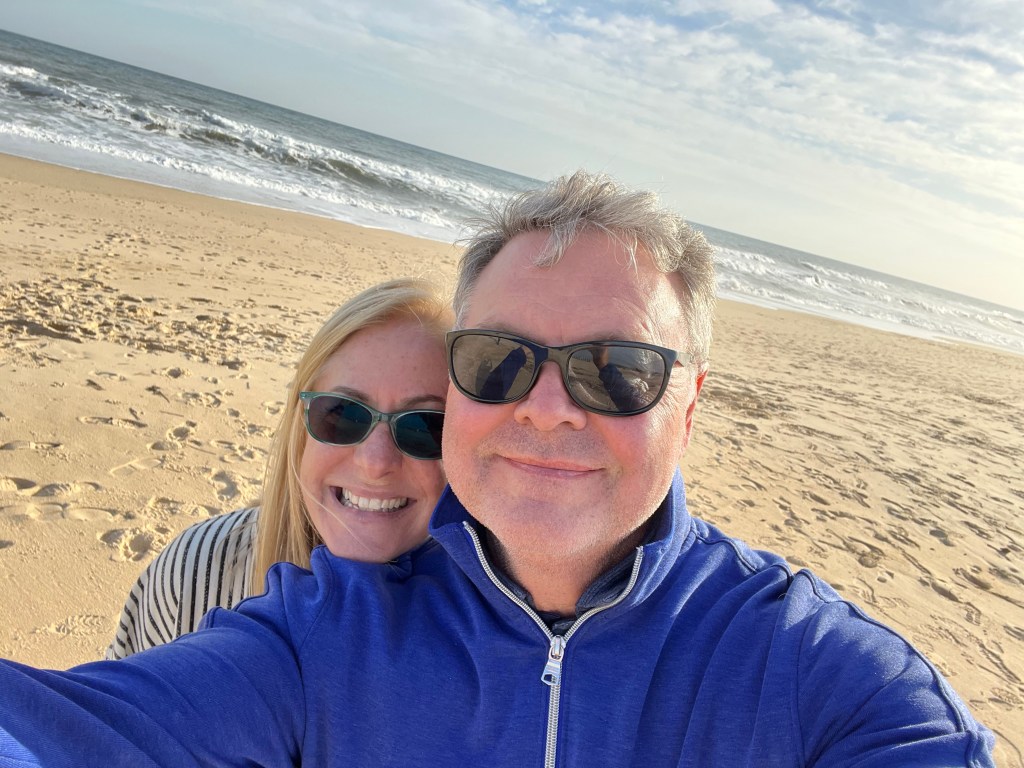
One of the things we were looking forward to in Tavira was our lunch with Martha and Jacques, the Tavira-resident expats we met in Évora. Jill had been chatting with Martha via WhatsApp over the course of our trip and she set a lunch date for the following day at Martha and Jacques’ favorite lunch spot in Tavira.
Jill and I dominated the next day’s lunch conversation with questions about Martha and Jacques’ move to Portugal, how they’d settled on Tavira, and what they liked and didn’t like about Tavira/Portugal. Jacques and Martha were very gracious and answered all of our questions honestly. The main “con” they reported of living in the Algarve, and Tavira in particular, was the feast or famine nature of being in an area popular with foreign tourists. They reported that in the peak summer tourist months they typically tried to be somewhere else to avoid the crowds of British, Canadian, and German tourists. And in the winter months, when there are no tourists, a lot of restaurants curtail the days they are open (or close completely for the off season) because there just are not enough full-time residents in Tavira to support the same number of restaurants that tourists keep busy all summer. We’d heard much the same thing in Lagos – with more emphasis on how busy and crowded it gets with foreign tourists during peak summer months.
The lunch conversation then shifted to Portugal’s healthcare system. They both have plenty of experience with it and had great things to say. One of the requirements for freshly-minted expat residents in Portugal is the mandate to have private health insurance until they are eligible for Portugal’s national health care system. That sounded a little intimidating until they told us that they pay the equivalent of $100 each per month for their private insurance and raved about the quality of both the care and coverage. Martha and Jacques’ advice was that, if we moved to Portugal, we should just plan to keep the private health insurance for as long as we live in Portugal. Apparently the standard approach for expats is to use private health insurance wherever possible – to avoid any potential wait/scheduling delay in the public system for elective issues. And for non-elective issues your private doctor can refer you into the public system with no wait. Fortunately, Jill and I are pretty healthy, but it was nice to hear someone who LIKES both the quality and cost of the healthcare they receive.
We wrapped up lunch with Martha and Jacques with hugs all around and another box in the “Could we really move to Portugal?” list ticked. Things were really coming up Todd and Jill!
 Jill and Todd in Portugal